Production Oven Cleaning for Manufacturing Facilities
In the high-stakes environment of modern manufacturing, equipment efficiency is the backbone of operational success. Among the most critical yet frequently overlooked components of the production line are industrial ovens. Whether used for curing, drying, or baking, these units are the workhorses of the facility. Without a rigorous maintenance strategy, they can quickly become a liability. FCS Industrial Solutions explains the best practices for professionally cleaning production ovens in manufacturing facilities. Learn more today.
Understanding Industrial Ovens and Their Cleaning Challenges
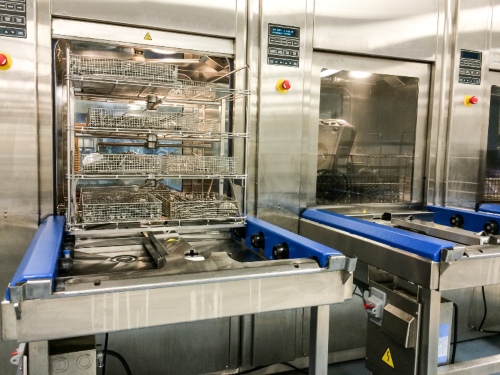
Industrial ovens are harder to maintain than standard kitchen equipment. Some of the most significant industrial oven cleaning challenges include:
- Scale and Complexity – Unlike standard commercial units, industrial ovens are designed for heavy-duty manufacturing and feature intricate internal components such as blowers, ductwork, and specialized heating elements.
- Operational Intensity – These units, including batch, conveyor, and walk-in models, often run for extended shifts at extreme temperatures, leading to significant wear and deep-seated debris.
- Diverse Residue Profiles – Contaminants vary by industry, ranging from stubborn powder coating overspray in automotive facilities to caramelized food byproducts, each requiring a tailored cleaning approach.
- Specialized Cleaning Requirements – Removing industrial buildup requires precise chemical solvents and specialized tools that effectively eliminate residue without damaging them.
Risks and Safety Concerns
Industrial oven cleaning presents several critical hazards that require professional oversight and strict adherence to safety protocols. To mitigate these dangers, our processes prioritize the following:
- Thermal Protection – Management of high-heat exposure through mandatory cool-down periods and heat verification before technicians enter the unit.
- Chemical and Respiratory Safety – Strict protocols for chemical handling and the use of specialized ventilation to manage fumes and airborne particulates.
- Physical Hazard Mitigation – Implementing slip-resistant measures to address risks from loosened grease and residue during the extraction process.
- Equipment Integrity – Utilization of manufacturer-approved cleaning products to prevent corrosion or damage to sensitive heating elements and sensors.
- Fire Prevention – Systematic removal of grease and carbon buildup to eliminate potential ignition sources within the exhaust systems and oven interior.
- Lockout/Tagout (LOTO) – De-energizing all power sources and mechanical components to ensure the safety of personnel during deep-cleaning procedures.
Professional Oven Cleaning Benefits
Professional oven cleaning services are valuable when facilities need deeper cleaning, scheduled maintenance, or reduced production disruption. Some of the most significant benefits of industrial oven cleaning include:
- Advanced Equipment and Chemicals – Professionals utilize specialized high-vacuum systems, high-pressure steam cleaners, and industrial-strength, food-safe degreasers that standard in-house janitorial tools cannot match.
- Elimination of Fire Hazards – Experts are trained to identify and clean “dead zones” within complex ducting and fan systems where grease buildup frequently occurs and most industrial fires originate.
- Operational Efficiency – Outsourcing deep cleaning allows your internal staff to remain focused on core production tasks rather than difficult and time-consuming maintenance.
- Regulatory Compliance – Professional services ensure your facility consistently meets OSHA and NFPA standards, providing the necessary documentation for health and safety audits.
- Long-Term Cost Savings – Routine professional maintenance extends the operational lifespan of your equipment and prevents the need for expensive, reactive repairs or emergency downtime.
How We Support Industrial Oven Cleaning
FCS Industrial Solutions specializes in industrial oven cleaning services tailored to the unique needs of manufacturing facilities. We understand that downtime is costly, so we work within your industrial oven cleaning schedule to perform thorough maintenance during planned shutdowns or off-peak hours. We do our best to the job completed 72 hours or less within our general service area. Our team uses advanced dry ice blasting and chemical cleaning techniques to remove heavy carbonization without the need for abrasive scrubbing.
Contact FCS Industrial Solutions
FCS Industrial Solutions provides comprehensive industrial cleaning solutions in Alabama, Georgia, Kentucky, Maryland, North Carolina, Ohio, Pennsylvania, South Carolina, Tennessee, West Virginia, and the District of Columbia. From initial inspection to the final testing of airflow and temperature accuracy, FCS Industrial Solutions provides a turnkey approach that keeps your production line moving safely and efficiently. Reach out to us today to schedule services.
FAQs
How Often Should Industrial Ovens Be Cleaned?
Industrial cleaning frequency depends on usage, residue type, and production demands. Most facilities benefit from a formal industrial oven cleaning schedule based on inspection findings and operating conditions.
What Is Included in Manufacturing Oven Cleaning Procedures?
Typical oven cleaning procedures include cooling, isolating power, removing debris, cleaning removable components, degreasing internal surfaces, and verifying the oven is ready for operation.
Can Facility Staff Clean Industrial Ovens Themselves?
Basic maintenance may be handled in-house, but deep cleaning is often safer and more effective when performed by professionals with the right equipment and training.
Why Is Professional Oven Cleaning Better Than DIY?
Professional oven cleaning services are better for heavy buildup, hard-to-reach areas, equipment protection, and reducing downtime while improving consistency.
What Are the Main Benefits of Professional Oven Cleaning Services?
The main benefits of professional oven cleaning services include improved efficiency, reduced fire risk, longer equipment life, better product quality, and fewer production interruptions.