When to Schedule Industrial Site Painting for Best Results
When to Schedule Industrial Site Painting for Best Results
A fresh coat of paint on an industrial facility protects steel, concrete, and equipment from corrosion, wear, and the elements. However, the results depend heavily on when you paint.
Below, we’ll explain when to schedule industrial painting for the best possible outcome. You’ll learn which factors drive the timing, how to spot the signs it’s time to repaint, and how to plan projects that keep your operations running. Whether you manage a warehouse, a manufacturing plant, or a multi-building complex, these insights will help you build a smarter industrial painting maintenance schedule.
Why Timing Matters for Industrial Site Painting
Paint performs best under the right conditions. Temperature, humidity, and surface moisture all affect how well a coating adheres and cures. Paint applied in freezing temperatures or high humidity may not bond properly, leading to premature failure.
Timing also affects your bottom line. Starting a six-month project during peak operating season can shut down business at the worst possible time, resulting in lost productivity and profit. Scheduling work during slower periods keeps crews productive and disruptions to a minimum.
Good timing protects the quality of the finish, the safety of your facility, and the continuity of your operations. That’s why knowing when to repaint industrial buildings is just as important as choosing the right contractor.
Factors That Determine the Best Time to Schedule Industrial Painting
Several variables shape the ideal window for your project. Consider these before locking in a date:
- Weather and Temperature – Most industrial coatings cure best between 50°F and 85°F. Rain, extreme heat, and high humidity can delay start times and extend drying periods.
- Surface Conditions – Exterior surfaces must be dry and clean. Moisture trapped under paint causes blistering and peeling.
- Business Operations – Coordinating work around slow seasons or off-hours reduces disruption to staff and production.
- Project Scope – Large, multi-building jobs need more lead time and are best started early in the year.
- Budget Cycles – Many facilities release budgets in Q1, making it a natural planning point for the year.
Signs It’s Time to Repaint an Industrial Facility
Waiting too long to repaint can turn a simple maintenance job into a major repair. Watch for these warning signs that it’s time to repaint your facility:
- Peeling, cracking, or flaking paint that exposes the underlying surface
- Fading or chalking that signals the coating has broken down
- Rust or corrosion appearing on metal surfaces
- Blistering or bubbling caused by trapped moisture
- Visible substrate where steel or concrete shows through
- Faded safety markings on floors or hazard zones
What Is the Best Season for Industrial Painting?
For exterior work, late spring through early fall offers the most reliable conditions. Warm temperatures and lower humidity help paint cure evenly and bond firmly. This is the ideal window for exterior walls, dock areas, parking zones, and accents.
Colder months, however, are far from wasted. Winter is the perfect time for interior projects. Industrial operations often slow after the holiday season, making Q1 an excellent time to paint walls, corridors, break rooms, and other indoor spaces.
How Often Should Industrial Sites Be Painted?
There’s no single answer to how often industrial sites should be painted, since usage, environment, and coating type all play a role. As a general guide, exterior surfaces should be painted every five to 10 years, depending on climate and exposure. High-traffic interiors should be painted every three to five years, while safety markings on the floor should be painted more frequently as wear demands. Paint corrosive or harsh environments sooner, as chemicals and moisture accelerate breakdown.
Rather than reacting to visible damage, build a recurring industrial painting maintenance schedule. Regular inspections (ideally each quarter) help you catch problems early and plan repaints before they become emergencies. Knowing how often to schedule industrial painting turns maintenance into a predictable, budget-friendly routine.
Industrial Painting Planning Tips to Minimize Downtime
Planning your industrial painting schedule isn’t a one-size-fits-all process. Every facility is different, and a range of factors, from your environment to surface materials to daily wear and tear, will influence how often you need to repaint. Use these practical tips to build a painting schedule that works for your facility:
- Assess Your Environment – Before scheduling industrial painting, evaluate your facility’s environment. Consider factors such as exposure to chemicals, temperature fluctuations, and humidity levels.
- Consider Surface Material – Different types of surfaces require different maintenance schedules. For example, steel structures exposed to harsh environments may need more frequent painting than concrete structures in a controlled indoor space.
- Plan According to Wear and Tear Patterns – Certain areas of your structure may experience more wear and tear than others. For example, handrails or door frames may need more frequent touch-ups due to constant use.
- Consider Weather Conditions – The weather can greatly affect the lifespan of your paint job. Extreme temperatures, moisture, and sunlight exposure can all cause premature fading or peeling. Keep an eye on weather forecasts and plan your painting schedule accordingly to avoid unfavorable conditions.
Why Work With Professional Industrial Painting Contractors?
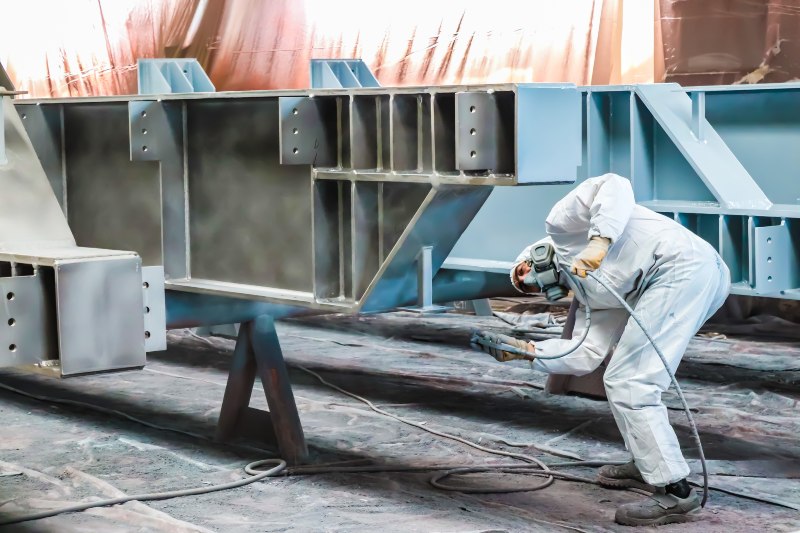
Industrial site painting isn’t the same as a standard paint job. It involves specialized coatings, safety protocols, surface preparation, and often work at heights or around active equipment. Professional contractors bring the expertise to handle these challenges safely and efficiently.
Experienced crews also understand timing. At FCS Industrial Solutions, we monitor weather forecasts, coordinate around your operations, and maintain reliable supplier relationships to avoid material delays. We proudly serve industrial facilities across Alabama, Georgia, Kentucky, Maryland, North Carolina, Ohio, Pennsylvania, South Carolina, Tennessee, West Virginia, the District of Columbia, Illinois, Texas, and Florida. As a skilled contractor, we help you set a realistic schedule and deliver results that stand the test of time.
Frequently Asked Questions
What Is Industrial Site Painting?
Industrial site painting is the application of protective and decorative coatings to industrial facilities such as warehouses, factories, and processing plants. It covers structural steel, concrete, equipment, floors, and safety markings. Beyond appearance, it shields surfaces from corrosion, chemicals, moisture, and heavy wear.
Do We Need to Shut Down Operations During the Painting Project?
Not necessarily. Our experienced industrial painters can work in phases, isolate active work zones, and utilize low-VOC, fast-curing coatings to keep your facility operational. Collaborative scheduling ensures that high-traffic or critical production areas are painted during off-peak hours.
How Long Does the Industrial Painting Process Typically Take?
The duration of a project depends on the size of the facility, the type of coatings required, and the level of surface preparation needed. A standard warehouse might take a few days, while a complex manufacturing plant could take several weeks. To minimize disruption, work can often be scheduled during planned shutdowns, weekends, or night shifts.
Schedule Your Industrial Site Painting Project Today
The best industrial paint jobs start with smart timing. Match exterior work to warm, dry seasons, reserve interior projects for slower winter months, and build a maintenance schedule that catches wear before it spreads. Add thoughtful planning to minimize downtime, and you’ll protect both your facility and your budget.
If you’re ready to get started, contact FCS Industrial Solutions today to schedule your industrial site painting. We’ll help you develop a personalized plan that maximizes impact while minimizing disruption.