Confined Space Cleaning 101
A tank, silo, bin, or vessel can keep doing its job as residue gradually collects across the surfaces inside it. Once that buildup needs to be removed, your facility has to account for the structure, what it contains, and what a cleaning crew will encounter after entering the space. This is exactly where confined space cleaning rises to the occasion. Industrial cleaning professionals have the specialized training and experience to handle the work and prepare the equipment for continued use.
Let’s take a more in-depth look at what this type of cleaning involves and how experienced professionals approach the conditions inside each space.
What Is a Confined Space?
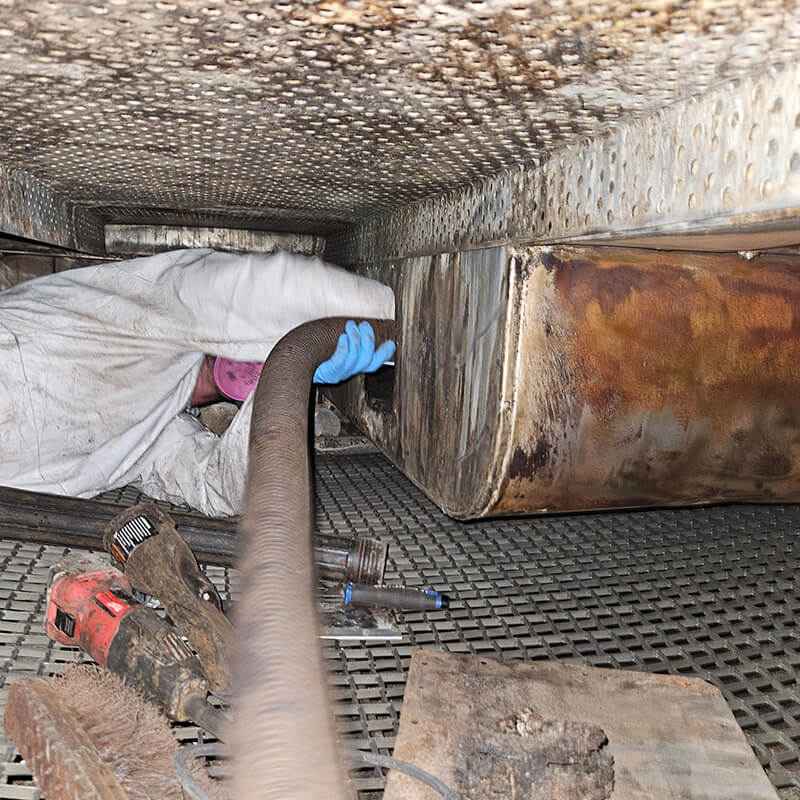
A confined space is large enough for a person to enter and complete assigned work, but it has limited or restricted access and wasn’t designed for continuous occupancy. Tanks, silos, storage bins, hoppers, and vessels can all fit this definition.
Some of these structures qualify as permit-required confined spaces because they contain additional hazards. The space may have a hazardous atmosphere, hold material that could engulf an entrant, or have an internal shape that could trap someone. Recognizing that distinction helps the cleaning team determine what the entry will require before anyone goes inside.
Why Confined Space Cleaning Is Important
Residue, dust, liquids, and other materials can collect along interior surfaces as production equipment continues to operate. Removing that buildup can prepare the space for inspection, maintenance, or another production cycle. It may also help the facility address any contamination that could interfere with stored materials or the equipment’s intended use.
Industrial confined space cleaning pairs that work with the professional planning needed to access the structure and manage its internal conditions. The cleaning crew can select a method suitable for the material inside, rather than applying a standard process to an environment that requires a more specialized approach.
Hazards Associated With Cleaning Confined Spaces
The conditions inside a tank or silo may differ significantly from the work area around it. Before cleaning in confined spaces, the project team needs to identify the hazards that could affect how to enter, move, communicate, and clean, such as:
- Hazardous Atmospheres – Low oxygen, toxic gases, combustible vapor, or airborne dust can make the atmosphere unsafe for anyone entering the space.
- Restricted Entry and Exit – Narrow hatches and limited access points can make it harder to move personnel, cleaning equipment, and retrieval systems.
- Stored Materials – Grain, powder, liquids, or other contents can shift unexpectedly and surround, trap, or engulf someone inside the structure.
- Internal Equipment – Agitators, augers, conveyors, and other machinery can create serious danger unless the facility isolates the equipment before entry.
- Difficult Vertical Access – Deep vessels and elevated openings may require retrieval equipment and personnel trained to enter or exit the space vertically.
- Hazardous Residue – Chemical residue, biological contaminants, mold, spoiled product, and fine dust can require specific protective equipment and cleaning methods.
Industries That Require Confined Space Cleaning
Any industrial operation that uses enclosed equipment to process, move, or store materials may eventually need this service. In fact, tanks and storage vessels are often used in manufacturing plants throughout production. Similarly, both food-processing and agricultural facilities rely on silos, bins, mixers, and hoppers. Plus, other processing operations may have enclosed ductwork, pits, or equipment housings that need to be cleaned internally.
Though the industry itself doesn’t determine how this kind of undertaking should occur. The cleaning team will need to consider the structure at your site, the material it holds, how your facility uses it, and the conditions that may remain inside after production stops.
The Confined Space Cleaning Process
Before entering the confined space, professional cleaners will review its configuration, operational history, and previous contents. They’ll identify any remaining material, determine what could potentially be hazardous to the crew inside, and establish the requirements for entering and exiting the structure. The facility will also need to isolate applicable equipment so that any machinery or material can’t unexpectedly enter or otherwise impact the work area.
From there, the cleaning team will select the ideal equipment and methods that fit the residue and interior surfaces. Qualified personnel will then enter the space, remove the buildup, and stay in contact with the crew outside. An on-site supervisor will oversee the work, and the team can inspect and document the space after completing the cleaning.
Essential Safety Considerations for Confined Space Cleaning
No one should ever enter a confined space until the project team has evaluated the structure and established the controls required for that specific entry. The team may need to test the atmosphere before work begins and continue monitoring it as conditions change. Ventilation can help manage air quality when the project requires it.
Qualified entrants also need to be able to communicate with an attendant who stays outside the space. An entry supervisor will confirm that the crew has completed the required preparations and that acceptable conditions are in place. Personal protective equipment, retrieval systems, and a defined rescue plan will give the team additional resources if an emergency occurs.
Why Facilities Partner With FCS Industrial Solutions
Your facility can’t hand a challenging confined-space project to just any cleaning crew. This type of specialized cleaning service demands expertise so the project can be completed safely and accurately. And here at FCS Industrial Solutions, our confined-space entrants have several years of hands-on experience cleaning, inspecting, and repairing industrial tanks and silos. We maintain a qualified rescue team and supply the entry crew with equipment suited to the project, including respirators, tripods, rappelling systems, explosion-proof lighting, and explosion-proof vacuums.
An FCS supervisor will stay on site to oversee our confined space cleaning services from initial entry to project completion. When requested before the project starts, we can also provide detailed reports with images and video to help your team document the completed work.
Complete Your Confined Space Cleaning Project With FCS
Whether a tank, silo, bin, or vessel needs cleaning before an inspection, maintenance project, or return to production, the work inside it deserves a team that’s prepared for the conditions. Based in Danville, Virginia, FCS Industrial Solutions serves industrial facilities across the Mid-Atlantic and Southeast. Our certified entrants and qualified rescue personnel will develop a cleaning plan around your structure, its contents, and the work required inside.
Let’s accommodate your industrial facility’s cleaning needs. Contact us online to request a free site visit, and we’ll be happy to respond within 72 hours.
Confined Space Cleaning – Frequently Asked Questions
What Is Confined Space Cleaning?
Confined space cleaning removes residue, dust, liquids, contaminants, or remaining product from tanks, silos, bins, vessels, and other enclosed industrial structures. Trained professionals will plan the work around the space’s access points, internal conditions, and potential hazards.
Why Is Confined Space Cleaning Important?
Cleaning can prepare an enclosed structure for inspection or maintenance, address material buildup, and help return equipment to production. Professional planning will also account for the hazards that can affect anyone entering and working inside the space.
When Should a Facility Hire Professionals?
A facility should hire professionals when the work involves restricted entry, a hazardous atmosphere, difficult vertical access, specialized cleaning equipment, or emergency rescue planning. Experienced confined-space personnel can evaluate those conditions and develop an appropriate entry and cleaning strategy.