How Facility Painting Improves Safety, Compliance, and Brand Standards
Professional Facility Painting: Safety and Brand Protection
A fresh coat of paint may seem like a purely cosmetic upgrade. However, it does far more heavy lifting than that. Professional facility painting marks floor lines, hazard zones, and protects metal surfaces. Facility painting supports three goals that matter to every facility manager: workplace safety, regulatory compliance, and brand consistency. Below, we’ll explore what facility painting entails, how it improves safety and visibility, and why it delivers lasting results.
What Is Facility Painting?
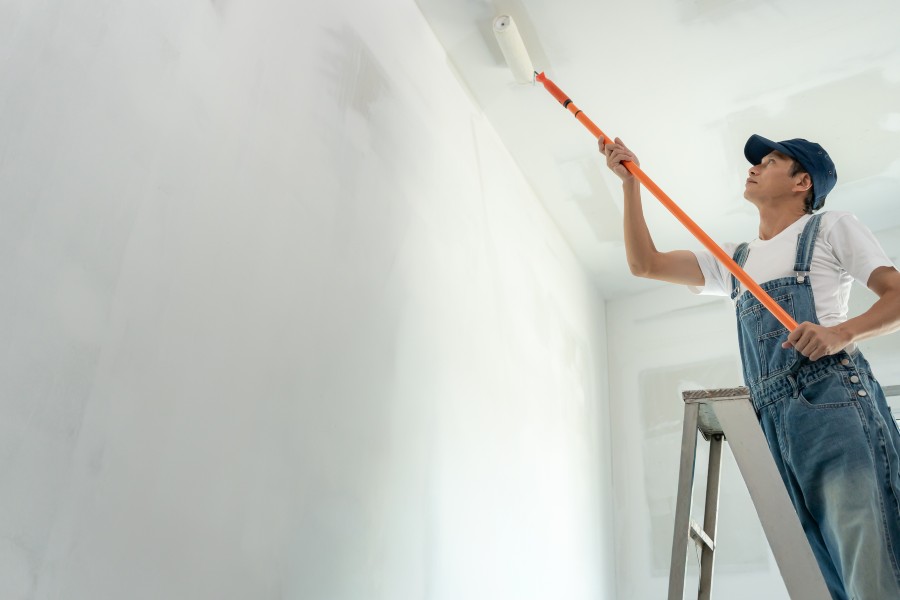
Facility painting is the process of applying protective and decorative coatings across a commercial, industrial, or institutional property. It covers walls, floors, ceilings, equipment, structural steel, and exterior surfaces, each of which may need a different coating system based on its use and exposure.
Unlike a simple touch-up, facility painting services account for durability, safety codes, and performance in demanding environments. That means matching coatings to their conditions: epoxy or urethane for high-traffic floors, anti-slip products for wet zones, and chemical-resistant or heat-resistant coatings for industrial areas. This is where facility maintenance and compliance overlap. The right paint system protects both the building and the people inside it.
How Facility Painting Improves Workplace Safety
When you walk into a busy facility, paint tells you where to step, which zones are active, and where the hazards are. Here’s how facility painting improves safety across a working environment:
- Clearer Walkways and Work Zones – Painted floor lines and color-coded zones show employees exactly where to walk, stand, and stay clear. Safety lines in high-traffic areas help prevent collisions and near-misses, especially where forklifts and foot traffic share the same space.
- Slip and Fall Prevention – Slips and trips are among the most common causes of workplace injury. Anti-slip coatings add grit and traction to floors, ramps, and loading docks, reducing the risk of falls in wet or spill-prone areas.
- Visible Hazard Markings – Heavy machinery and storage systems don’t always signal danger clearly. High-visibility paint flags stairs, sharp corners, low-clearance zones, and spill-prone areas, so workers stay alert before something goes wrong.
- Corrosion Control on Equipment – Paint isn’t only for walls and floors. Protective coatings on machines, rails, and metal structures block moisture, chemicals, and rust. Left unchecked, corrosion can weaken structural steel or create sharp edges, both of which are serious safety risks.
The Role of Facility Painting in OSHA Compliance
Facility painting for OSHA compliance helps facilities meet requirements for hazard identification, labeling, and safe navigation. Depending on the industry, rules may require color-coded labeling or clearly marked pipelines and storage areas. Oil and gas sites, chemical plants, and manufacturing facilities often need to mark contents and risk zones so inspectors and workers can identify them at a glance. This can be done with colored paints or stenciled text on walls and tanks.
Staying in code isn’t just about avoiding fines. Consistent labeling, slip-resistant coatings, and clear markings build a stronger safety culture. At FCS Industrial Solutions, we understand these standards and apply them correctly, drawing on guidance from bodies like OSHA and the Painting Contractors Association (PCA).
Benefits of Industrial Painting Services for Facility Protection
Industrial settings expose surfaces to constant foot traffic, chemical spills, extreme heat, and moisture. Without protection, floors, walls, and equipment wear down fast. Key protective benefits include:
- Longer Surface Lifespan – High-quality coatings slow deterioration, giving floors and walls a much longer service life.
- Equipment Protection – Corrosion- and chemical-resistant coatings help machines run smoothly and reduce costly breakdowns.
- Lower Maintenance Costs – Durable coatings mean fewer repairs, less rework, and fewer premature replacements.
- Reduced Downtime – Proactive painting catches wear early, avoiding unscheduled shutdowns that halt production.
How Facility Painting Strengthens Brand Standards
A clean, well-marked facility signals to employees, inspectors, and clients that you’re a business that takes safety and quality seriously. Painting lets you apply brand colors, logos, and patterns directly into the space. That visual consistency strengthens internal culture and helps visitors recognize the brand the moment they enter. Fresh, sharp surfaces also show attention to detail, while scuffed walls and faded lines can make even a great team look careless.
Signs Your Facility May Need Repainting
Keep an eye out for these warning signs that it may be time to schedule a professional repaint. Catching these issues early can help you avoid bigger problems down the line:
- Faded or worn floor lines that no longer clearly mark walkways or zones
- Peeling, flaking, or cracking paint on walls or equipment
- Rust spots or corrosion on metal surfaces and structural steel
- Scuffed, stained, or dingy walls that dull the facility’s appearance
Why Professional Facility Painting Delivers Better Results
Choose professional facility painting when durability, code compliance, and minimal disruption matter more than a low upfront price. Professionals bring several advantages, such as:
- Proper Surface Preparation – Cleaning, degreasing, sanding, and priming ensure coatings adhere and last.
- Correct Paint System Matching – We select the right product for each zone, such as urethanes for high traffic, elastomerics for humid spaces, and UV-stable coatings for exteriors.
- Compliance Knowledge – We apply OSHA and industry-specific standards accurately.
- Minimal Downtime – Phased scheduling and off-hour work keep operations running while painting continues.
Frequently Asked Questions
What’s the Difference Between Commercial and Industrial Paint?
Commercial paint is designed primarily for aesthetics and light-duty durability in spaces such as offices, retail stores, and schools. Industrial paint, or high-performance coatings, is engineered to withstand harsh environments, including chemical exposure, extreme temperatures, heavy machinery impact, and moisture.
How Long Does It Take for Industrial Floor Coatings to Cure?
Curing times vary depending on the product used, temperature, and humidity. While some fast-curing polyaspartic coatings can support foot traffic in just a few hours, standard epoxy coatings typically require 24 to 48 hours for light traffic and up to seven days to fully cure for heavy vehicle or forklift traffic.
How Do You Handle Lead-Based Paint or Other Hazardous Materials?
We follow strict EPA and OSHA guidelines for lead stabilization and abatement. Before work begins, testing is conducted to identify any hazards, and containment protocols are implemented to safely remove or encapsulate the material.
Turn Worn Surfaces Into a Safety and Compliance Asset
Facility painting is a practical investment in safety, compliance, and reputation. The right coatings keep people safe, help you meet regulations, protect expensive equipment, and reinforce your brand.
Start with a walkthrough of your space. Note faded lines, rust, and worn surfaces, then prioritize the areas tied to painting for workplace safety and visibility first. From there, a professional facility-painting partner can help you develop a maintenance plan that keeps your property protected year-round. Contact FCS Industrial Solutions today to get started.