Tools and Technology Enhancing Industrial Safety
Keeping workers safe on the job requires non-stop effort on the part of trainers, supervisors, and the workers themselves. Today’s industrial safety solutions combine tried-and-true equipment with cutting-edge technology. Whether you’re most concerned about regulating temperatures in your warehouse or preventing falls from the roof, you have plenty of ways to help you stay compliant, prevent accidents, and protect your team. Explore the gear and systems making industrial health and safety stronger from every angle.
Personal Protective Equipment
PPE is the frontline defense for workers across numerous industries. It should always match the specific risks of the job, and it only works if it’s worn properly and consistently. Here are some examples of basic PPE for industrial workers:
- Hard hats protect against falling objects and head bumps in tight spaces.
- Safety glasses and face shields guard eyes from dust, sparks, and splashes.
- Earplugs and earmuffs reduce the risk of hearing loss in noisy environments.
- Respirators and dust masks filter out harmful fumes, vapors, and airborne particles.
- Work gloves improve grip and protect against cuts, chemicals, or extreme temperatures.
- Steel-toed boots shield feet against impact and compression from falling objects, rolling machinery, or heavy tools.
- High-visibility vests ensure workers are seen, especially around moving vehicles.
Fall Protection Systems
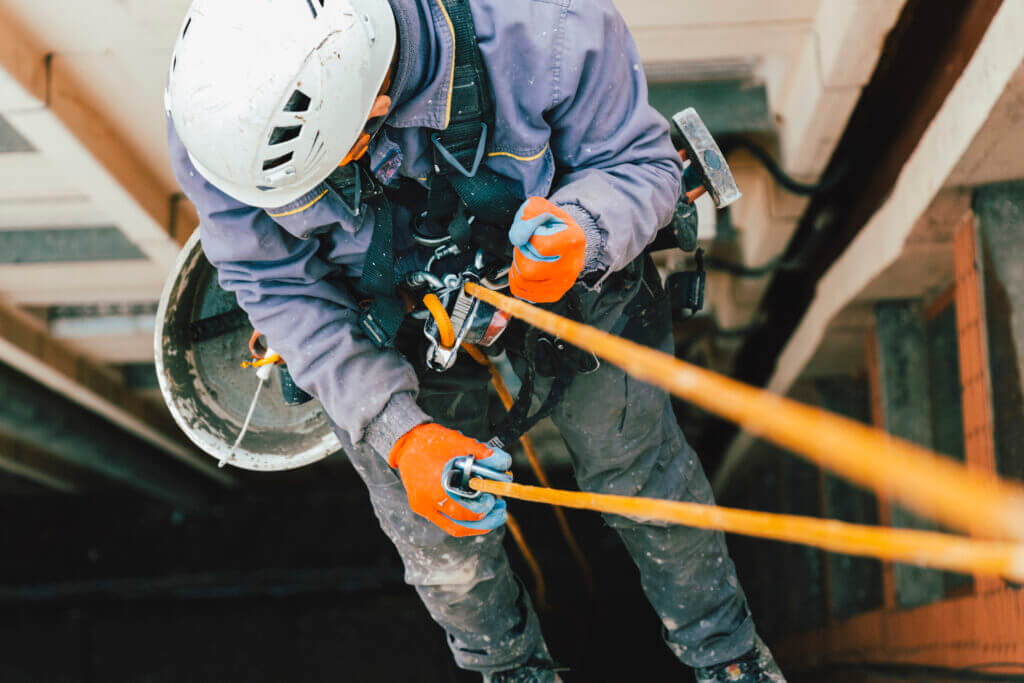
When work takes people off the ground or into tight spaces, fall protection becomes a top priority. Consider the most common systems in use today:
- Shock-absorbing harnesses and lanyards keep workers secure and minimize injury if a fall happens.
- Fixed or mobile anchor points and lifelines offer stability across rooftops, platforms, and vertical entries.
- Self-retracting lifelines (SRLs) adjust automatically as workers move, limiting fall distance and reducing impact forces.
- Tripod systems make entry and emergency retrieval from confined spaces much safer.
Safety Showers and Eyewash Stations
In facilities where chemicals or dust are part of the job, response time is everything. That’s where safety showers and eyewash stations come in. The most effective setups feature combination units, enabling workers to quickly treat multiple parts of their body. Foot-pedal or push-lever operation is best, so workers can activate the shower hands-free. These stations should be easy to find thanks to clear signage and lighting.
Hydration and Cooling Options
Long hours, high heat, and heavy gear can quickly take a toll on your workforce. Industrial safety management relies on keeping workers hydrated and their environment as comfortable as possible. Here’s what helps:
- Hydration stations stocked with water and electrolyte drinks should be easy to access throughout the job site.
- Cooling vests regulate body temperature during hot shifts by using phase-change materials or evaporative cooling.
- Wearable hydration trackers with sweat and skin temperature sensors send alerts when it’s time to rehydrate.
- Portable cooling systems bring down the temperature in areas without built-in climate control.
- Ventilation systems and dehumidifiers reduce heat stress and protect equipment.
Warning Signage and Sirens
Signs, lights, and alarms tell people what to expect, where to go, and what to avoid. Consider installing high-contrast signs, flashing lights, sirens, and digital message boards at your facility to keep everyone informed. These tools may seem low-tech compared to some newer technologies, but they’re often the first line of defense when something goes wrong.
High-Tech Industrial Safety Solutions
Modern technology is changing how industrial health and safety are managed. Data-driven tools don’t just spot problems—they help prevent them entirely. Here are some of the latest advancements worth considering for your facility.
Wearables and Site Sensors
- Biosensors track vital signs, stress levels, and movement to flag fatigue or heat stress before a worker is in real danger.
- Environmental sensors monitor gas leaks, air quality, noise levels, and more. Many systems automatically link to alerts or shutdown protocols.
- Visual monitoring systems use AI to identify workers in risky areas or detect missing safety gear, so teams can respond before an accident happens.
Mobile Apps and Predictive Platforms
Smartphones are now essential safety tools on job sites. With the right apps, workers can access checklists and emergency plans, report incidents with photo and video evidence, and receive real-time updates about their body temperature or the air quality around them.
On the backend, predictive software pulls data from across the operation to spot patterns. If one task or time of day shows more incidents, managers can make changes before something serious happens.
Virtual Reality Safety Training
Training works better when it feels real. VR brings workers into simulated environments where they can learn equipment safety protocols and practice emergency response steps in a hazard-free setting. This type of training is more effective than classroom study, and it’s safer for everyone when people know what to do under pressure.
Drone Monitoring and Inspections
Drones can access dangerous, hard-to-reach places with ease, sending high-resolution photos and videos to the operator for assessment. They’re often used for inspecting roofs, monitoring remote job sites, and mapping out hazards in confined spaces or disaster zones. With fewer workers in risky spots, faster inspections, and clearer data, it’s a win-win-win situation for everyone.
Industrial Safety Solutions in the Mid-Atlantic and Southeast
FCS Industrial Solutions is a family company with roots dating back to 1988. We’re proud to be ranked in the top 4% of building service contractors nationally based on staff size and annual revenue, thanks in large part to the highly trained safety professionals on our team. We’re licensed, certified, insured, and known for providing fast, reliable service.
We provide industrial safety evaluations and audits to help you identify risks at your facility and develop effective safety solutions before an incident occurs. We also offer on-site training and education on numerous safety topics. Our services are designed to be proactive and help you prevent incidents in the first place. Let’s talk about how we can help you maintain a safe and compliant workplace—contact us today to request a free, no-obligation quote.