The Industrial Restoration Process
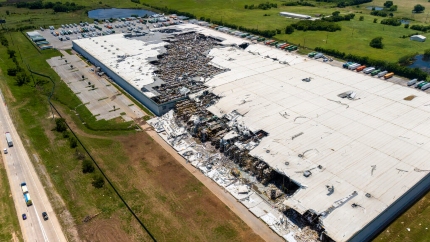
When disaster strikes your industrial facility—whether from a fire, flood, storm, or hazardous spill—getting back to business isn’t just a matter of cleaning up. It’s a coordinated process that demands specialized knowledge and tools provided by an experienced disaster recovery partner. Here’s a look at some of the most common scenarios and what full property restoration includes.
Types of Industrial Restoration Services
Industrial sites are complex, high-functioning environments. When damage occurs, it’s rarely confined to a single surface or system. Each type of event presents its own risks, many of which aren’t obvious at first glance. Fast, professional restoration services are the best way to minimize downtime and avoid long-term damage.
Fire Damage
Fires in industrial facilities can scorch walls and melt machinery, but that’s not all. Smoke particles can settle deep into ventilation systems, control panels, insulation, and wiring. Structural components can weaken under extreme heat, while soot can linger long after the flames are out. Then, fire suppression efforts, including water and foam, introduce a completely different set of problems. Facilities that delay restoration risk permanent equipment damage, air quality issues, and safety code violations.
Water Damage
Whether from a broken pipe, a storm, or a malfunctioning fire sprinkler, water damage spreads fast and sinks deep. Subfloors, wall cavities, and mechanical systems are all vulnerable. Undetected moisture may remain trapped, creating long-term mold and bacteria issues. Prolonged exposure to water also leads to rusting, warping, and electrical failures. Professional disaster recovery is crucial for preventing the damage from spreading and restoring a safe working environment.
Storm Damage
Storms hit industrial buildings hard. High winds, flying debris, hail, and heavy rain can compromise roofing, shatter windows, and breach external walls. These visible aspects of storm damage are easy to spot, but less noticeable water intrusion is also likely. A professional assessment is critical to identify and address safety risks associated with corroded wiring, soaked insulation, and compromised structural components before they escalate.
Biohazard Contamination
Sewage backups, human waste, and exposure to infectious materials all qualify as biohazards. These situations are high-risk and demand strict sanitation protocols. After all, leaving a biohazard unaddressed may spread disease, violate health codes, and endanger staff. Only trained professionals with proper PPE and disinfectants are qualified to make the space safe again.
Chemical and Hazmat Spills
Hazardous chemical leaks require immediate containment to minimize floor damage, corrosion, air contamination, and fire or explosion risks. Even small spills can compromise compliance with environmental and safety regulations. Restoration must follow strict legal guidelines, and any delay increases exposure for employees and risks permanent facility damage. Without professional hazmat cleanup, operations may be shut down indefinitely.
What Full Property Restoration Entails
Restoring a damaged industrial facility goes far beyond cleaning up the visible destruction. A full restoration accounts for every structure, surface, and system to bring your property back to its original condition or better.
Site Evaluation and Planning
Before any work begins, an in-depth evaluation determines the extent of the damage. Restoration professionals identify safety risks, create a step-by-step plan, and coordinate with insurance adjusters and safety managers.
Demolition and Debris Removal
Damaged materials that can’t be salvaged must be removed. This includes flooring, walls, ceilings, insulation, and machinery. Debris is cleared quickly so repairs and rebuilding can begin. Safety is a major focus here, with industrial facilities having strict guidelines around handling sharp materials, hazardous substances, and contaminated equipment.
Water Extraction and Structural Drying
If water is involved, high-powered pumps may be used to remove standing water immediately. Dehumidifiers, fans, and moisture meters ensure that all surfaces are thoroughly dried, including concrete, subfloors, and internal cavities. Left unchecked, moisture can damage equipment and lead to hidden microbial growth.
Mold Remediation
Mold is a common byproduct of water damage. Industrial mold remediation involves isolating the affected area, removing contaminated materials, applying antimicrobial treatments, and air scrubbing to purify the environment. Once remediation is complete, preventing regrowth is the priority. This is achieved by thorough drying, humidity level monitoring, and addressing the original source of the moisture to eliminate favorable conditions for mold growth.
Odor Removal and Air Quality Control
Lingering odors from smoke, mold, biohazards, or chemicals must be eliminated before the space is considered safe to use. Industrial air scrubbers, ozone generators, and HEPA filtration systems are common methods of neutralizing odors and restoring indoor air quality. Ventilation systems may require in-depth cleaning or replacement, depending on the type of exposure.
Structural Repairs and Reconstruction
Once the site is clean and dry, repairs can begin. This may involve rebuilding walls, restoring ceilings, and replacing insulation. Some facilities also require major infrastructure replacement, such as electrical panels, HVAC units, or control systems. Reconstruction may also include applying industrial coatings, epoxy flooring, or anti-corrosion treatments, especially if the environment handles chemicals or sensitive materials.
Restoration of Industrial Systems
Facility damage restoration goes beyond the structure. Crews inspect and clean mechanical systems, conveyor belts, compressors, and more. Industrial electricians and technicians verify that machinery can operate safely and efficiently. For some projects, this step is the longest, especially if custom equipment was damaged.
Final Testing and Clearance
Before declaring a facility ready, a final round of inspections and safety testing takes place. Industrial restoration services often include third-party clearance testing, air quality monitoring, and certification to verify that the facility is fully restored and safe for occupancy.
Why Choose FCS Industrial Solutions?
As a leading service provider with national-scale capabilities and a small-business mindset, FCS Industrial Solutions prioritizes responsiveness, safety, and precision. We help industrial facilities and commercial properties across the Mid-Atlantic and Southeast recover faster and better after a disaster. Whether you’re in the aftermath of a fire, flood, storm, or chemical exposure, we’re ready to get to work right away. Call us anytime for 24-hour disaster recovery solutions.